home loans in vt: how to compare options and save
Overview
Buying in Vermont means small-town credit unions, regional banks, and online lenders competing for you. Rates vary by property type, location, and season.
What to compare
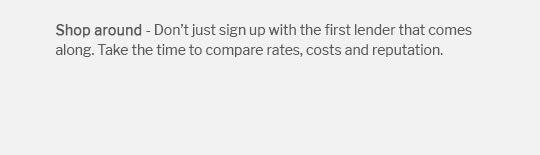
Look beyond the headline rate. Weigh points, lender fees, APR, mortgage insurance, and prepayment rules. Ask about rate locks during peak ski season, appraisal coverage in rural areas, and how taxes and energy costs affect your total monthly payment.
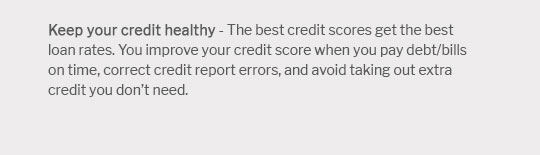
- Check credit and fix errors before applying.
- Get a strong preapproval to compete in tight markets.
- Explore VHFA, USDA Rural Development, and VA options.
- Consider energy-efficient mortgages for weatherization upgrades.
- Verify second-home and short-term rental guidelines.
First-time buyers may qualify for down payment help, grants, or reduced MI through state programs. Some towns offer closing cost assistance; ask your lender and realtor to stack benefits responsibly and document income from seasonal or self-employed work.
Closing tips
Lock strategically, compare turn times, and use local attorneys for title and permits. Review condo documents, HOA reserves, and flood insurance quotes. A clear, written loan estimate lets you negotiate confidently and keep long-term costs under control.